Long-term process (photography and embroidery), ongoing since 2012
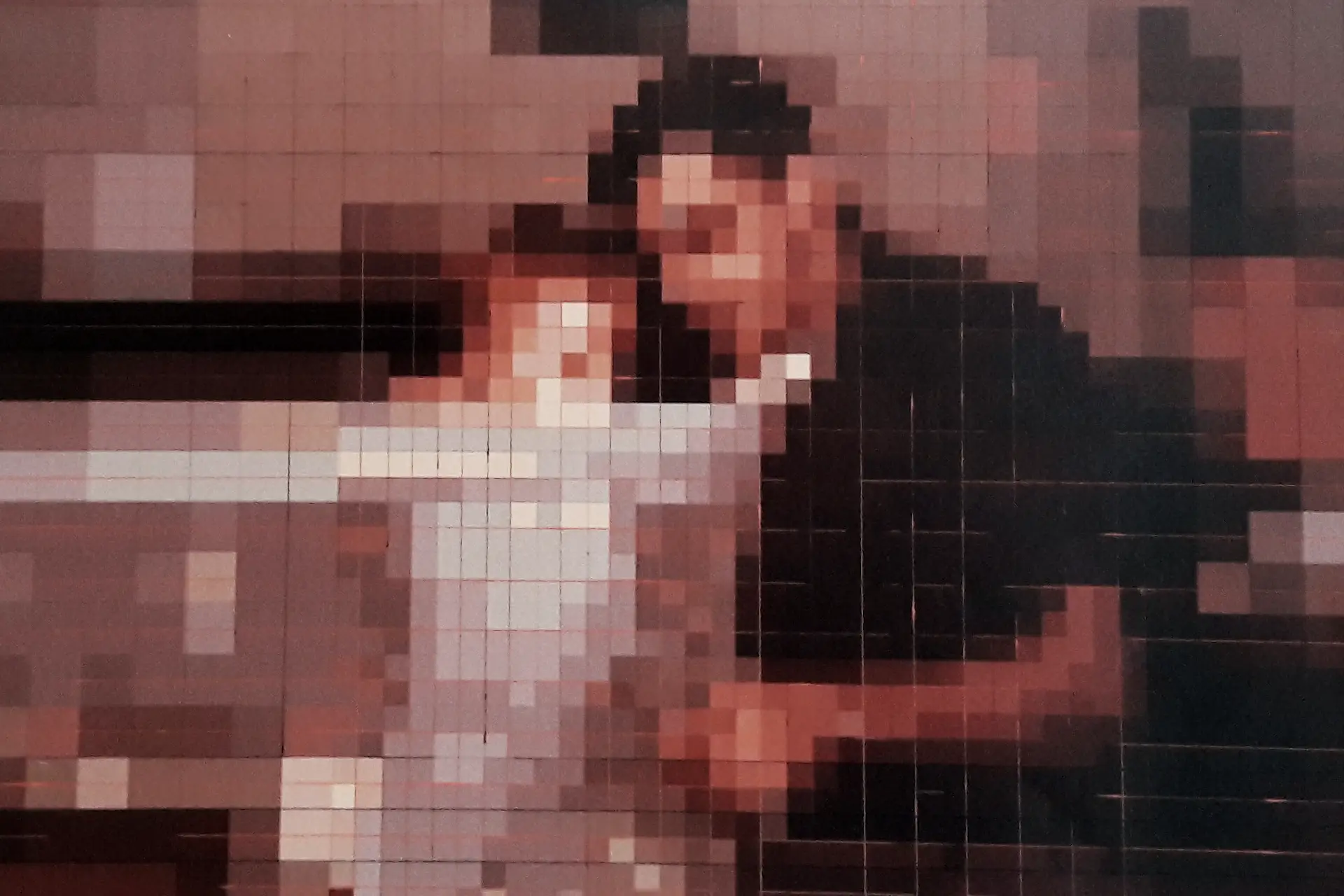
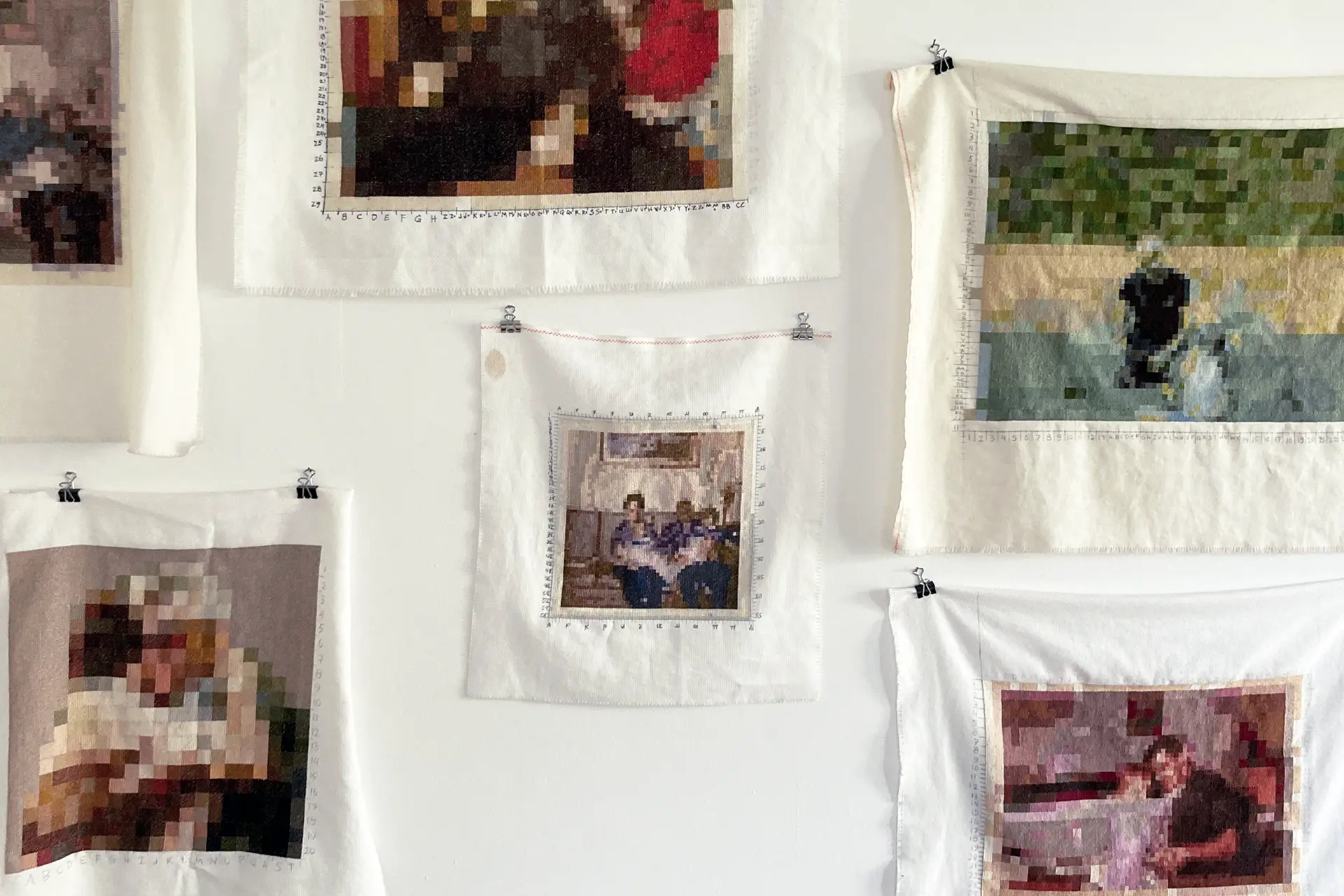
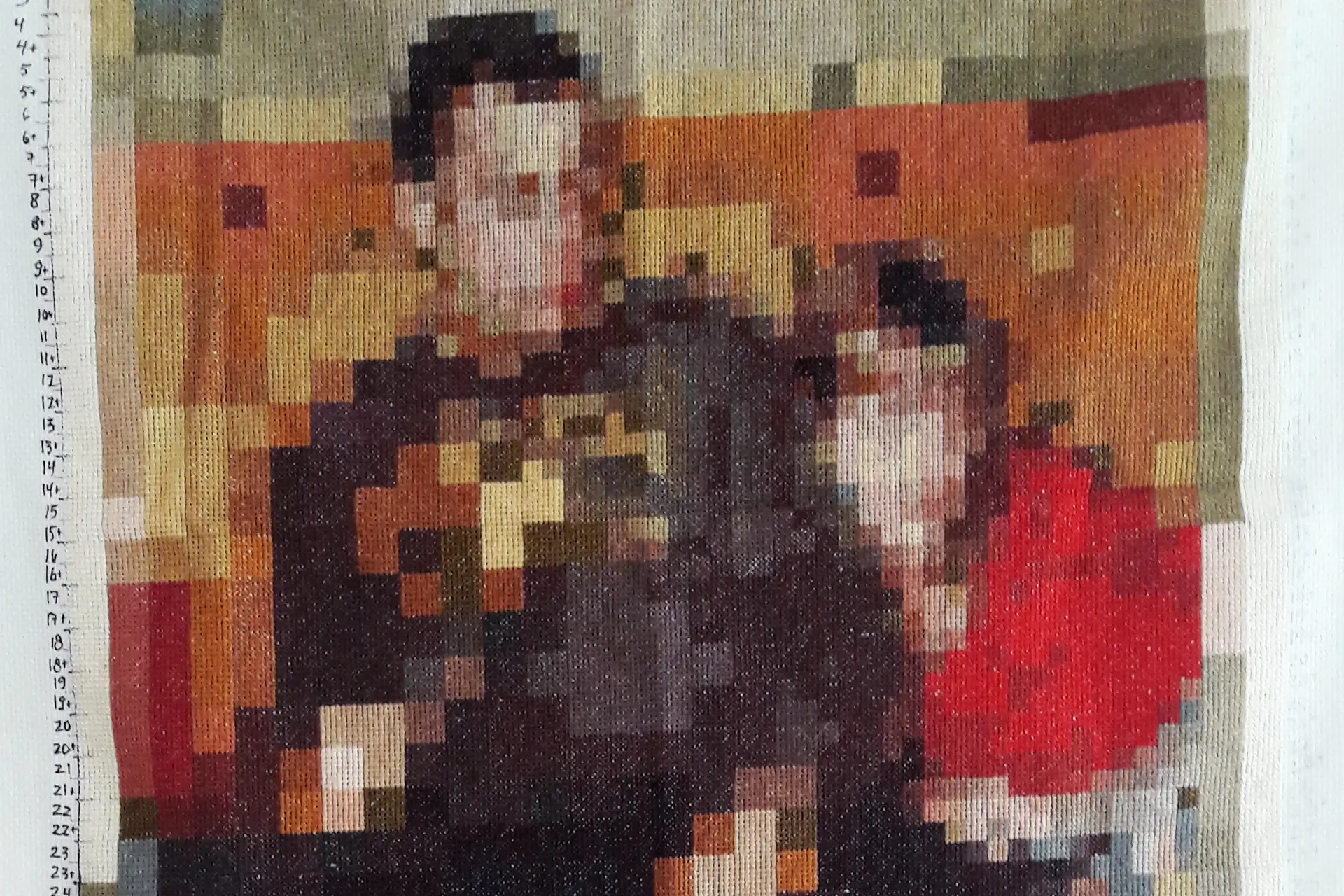
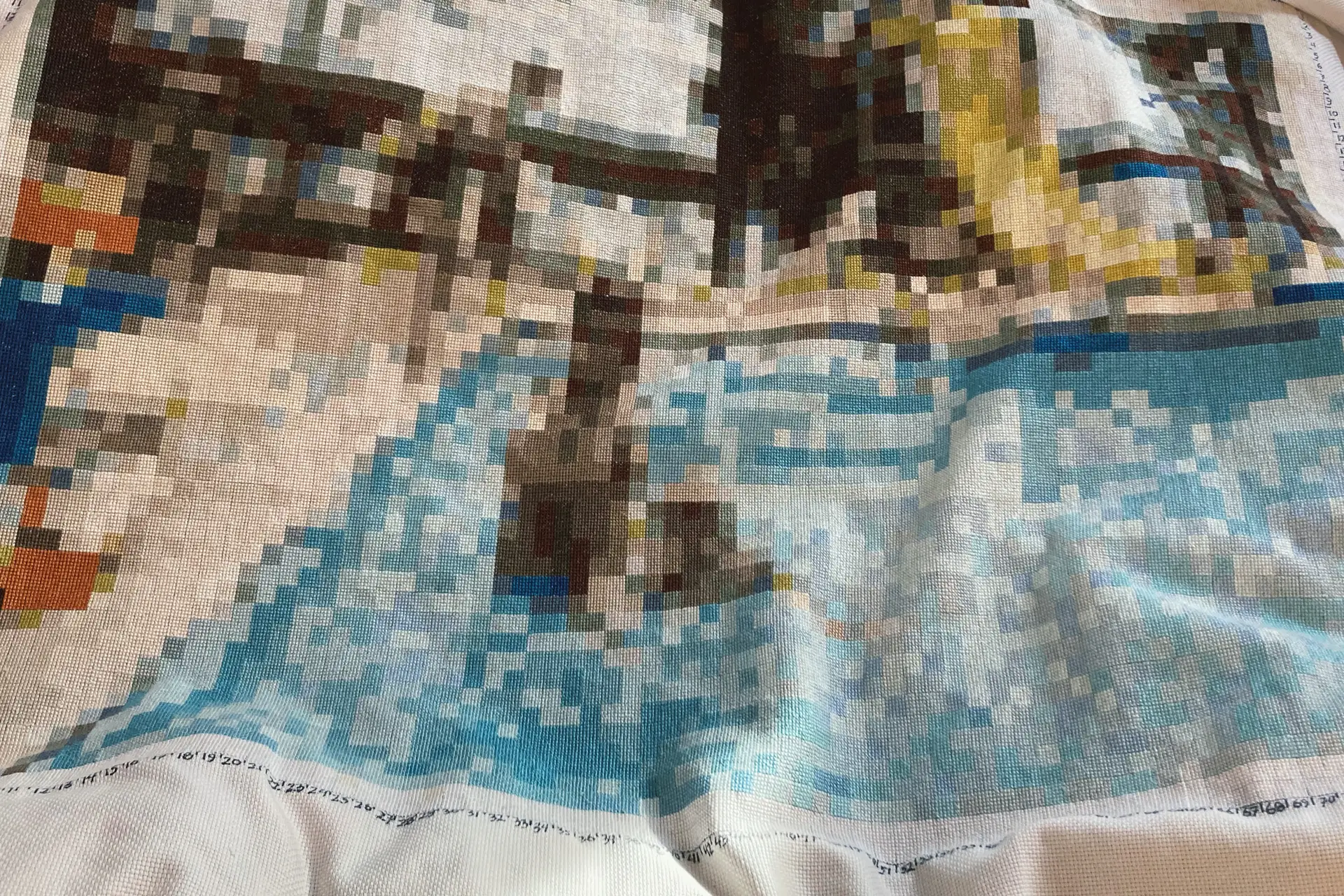
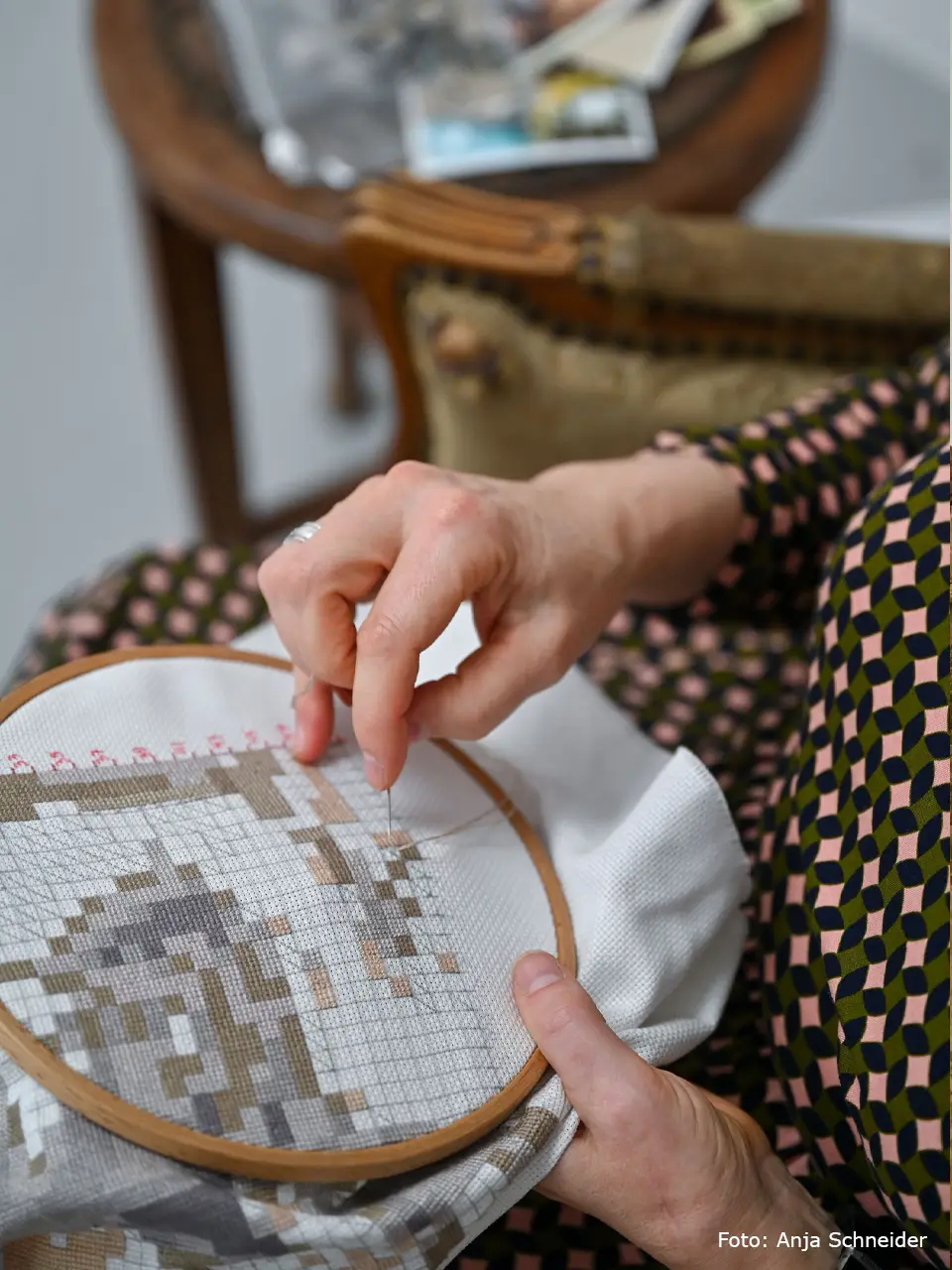
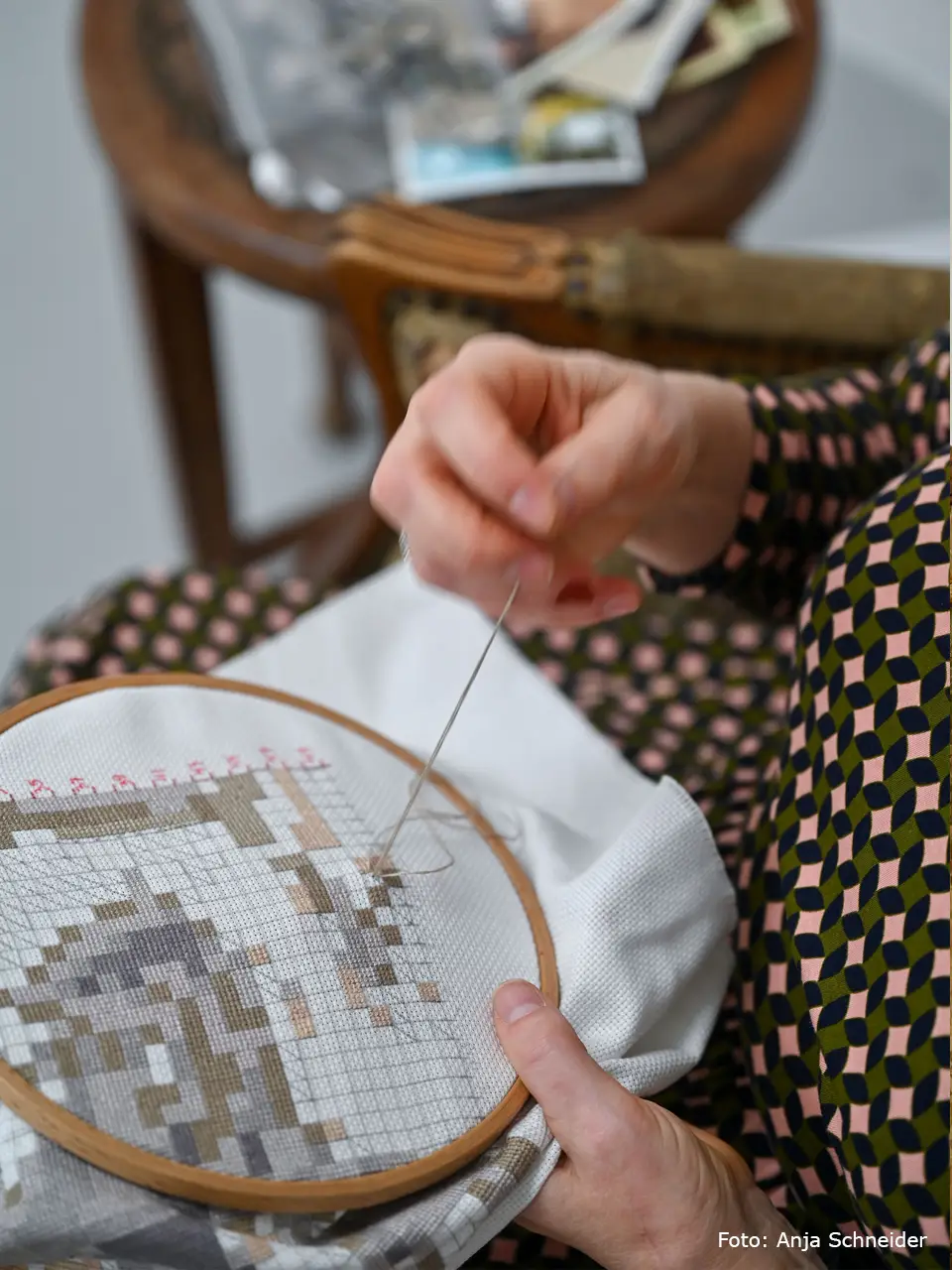
Countless hours are invested in each piece, as cross-stitch embroidery transforms the act of reproducing images into an extravagant and intentionally absurd endeavour.
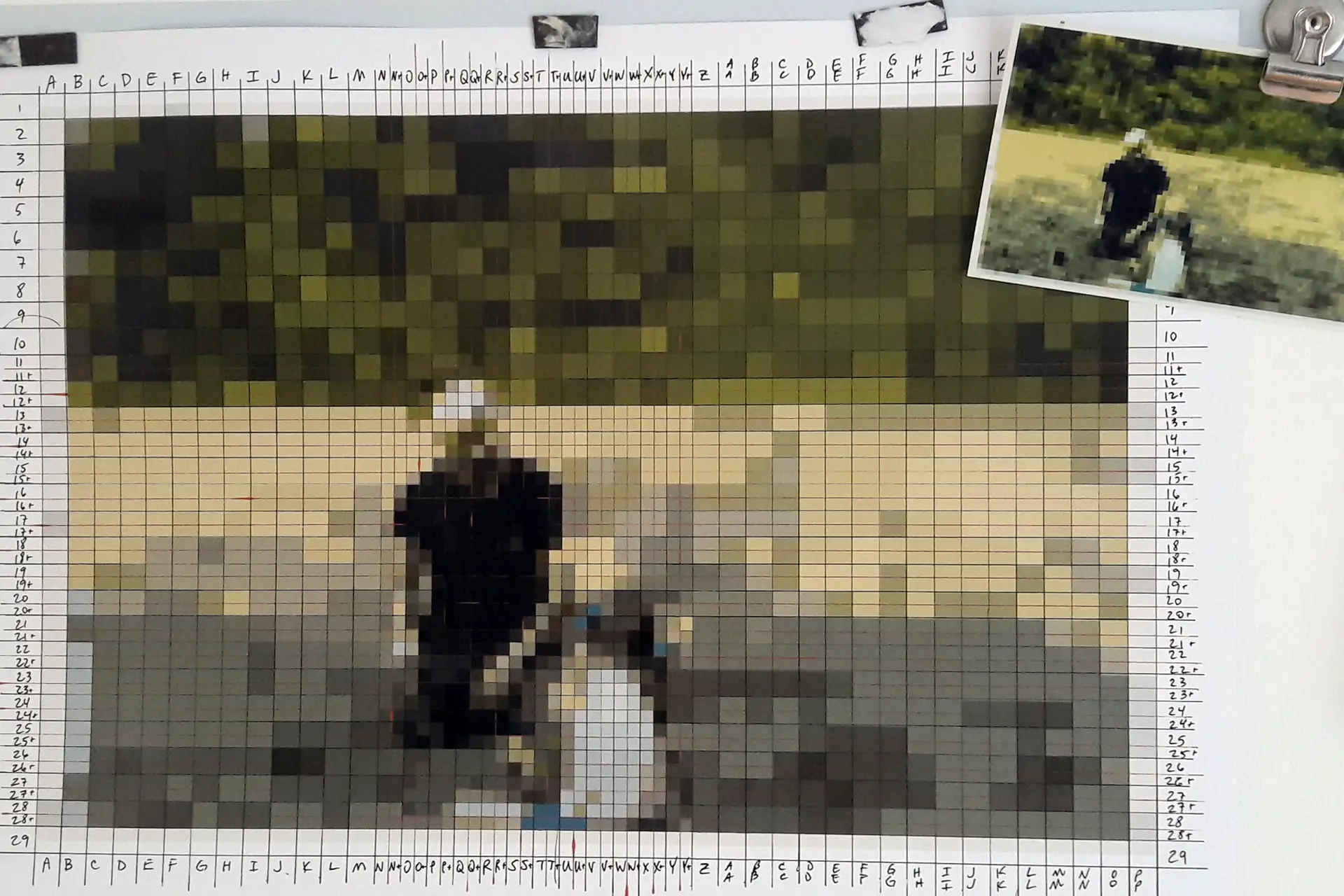
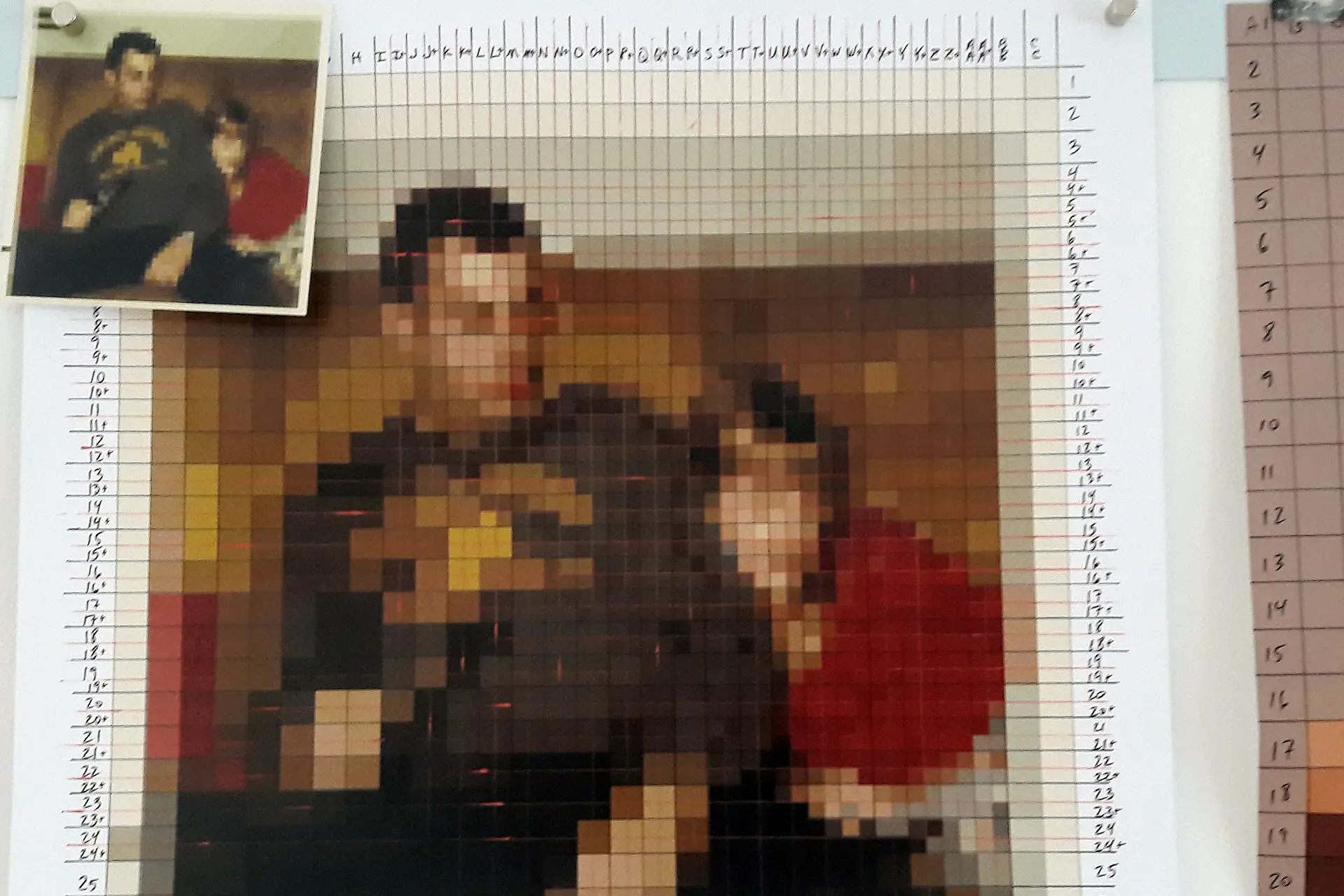
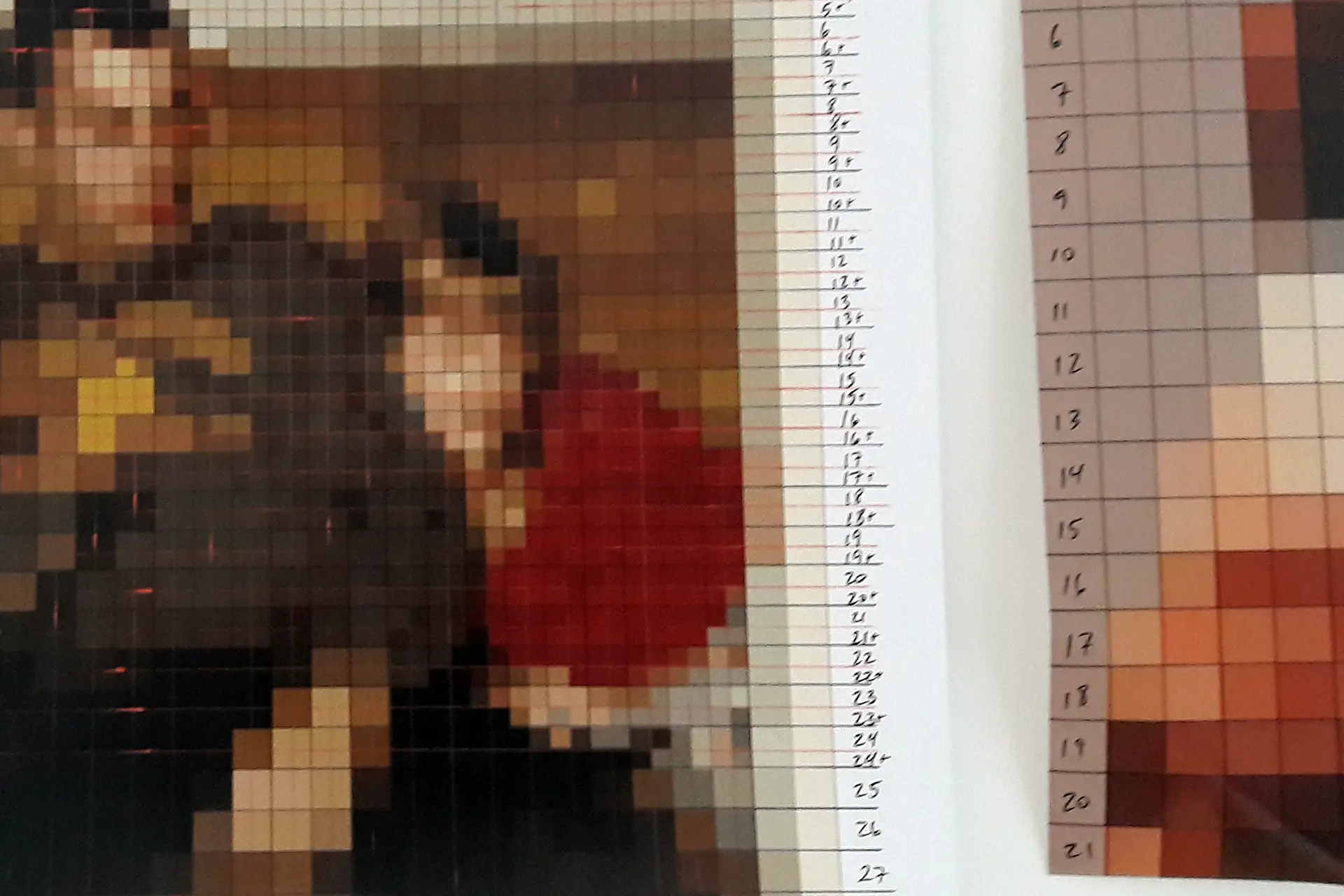
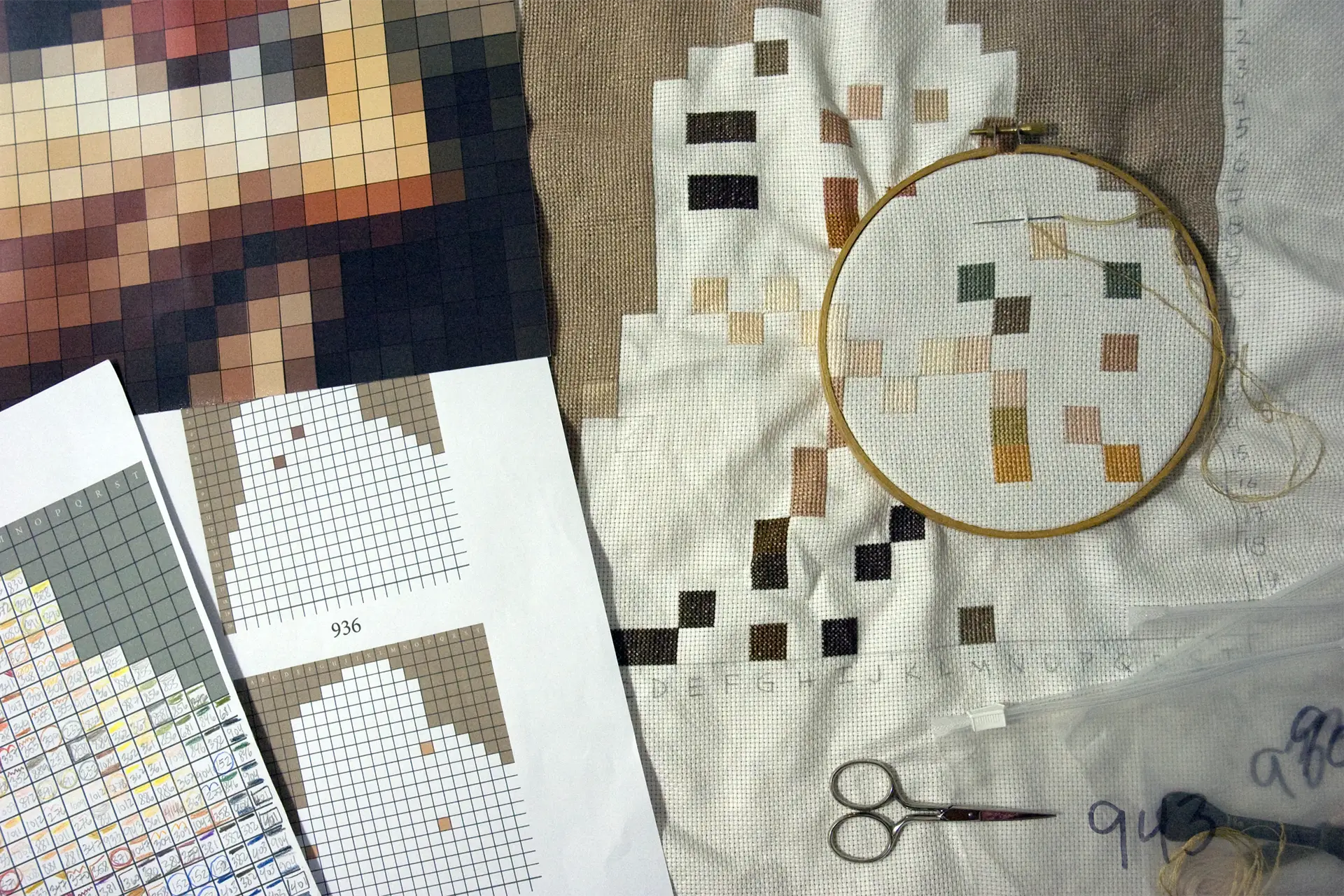
Each work is the result of a complex, multi-layered, and extremely time-consuming process, emphasizing the contrast between the split-second captured in a photograph and the extended period required to render a new version through embroidery. This temporal contrast is central: the artwork invites a step back from the immediacy of the original snapshot, creating distance, and encouraging a fresh view of the mundane and familiar—often deeply personal family photographs.
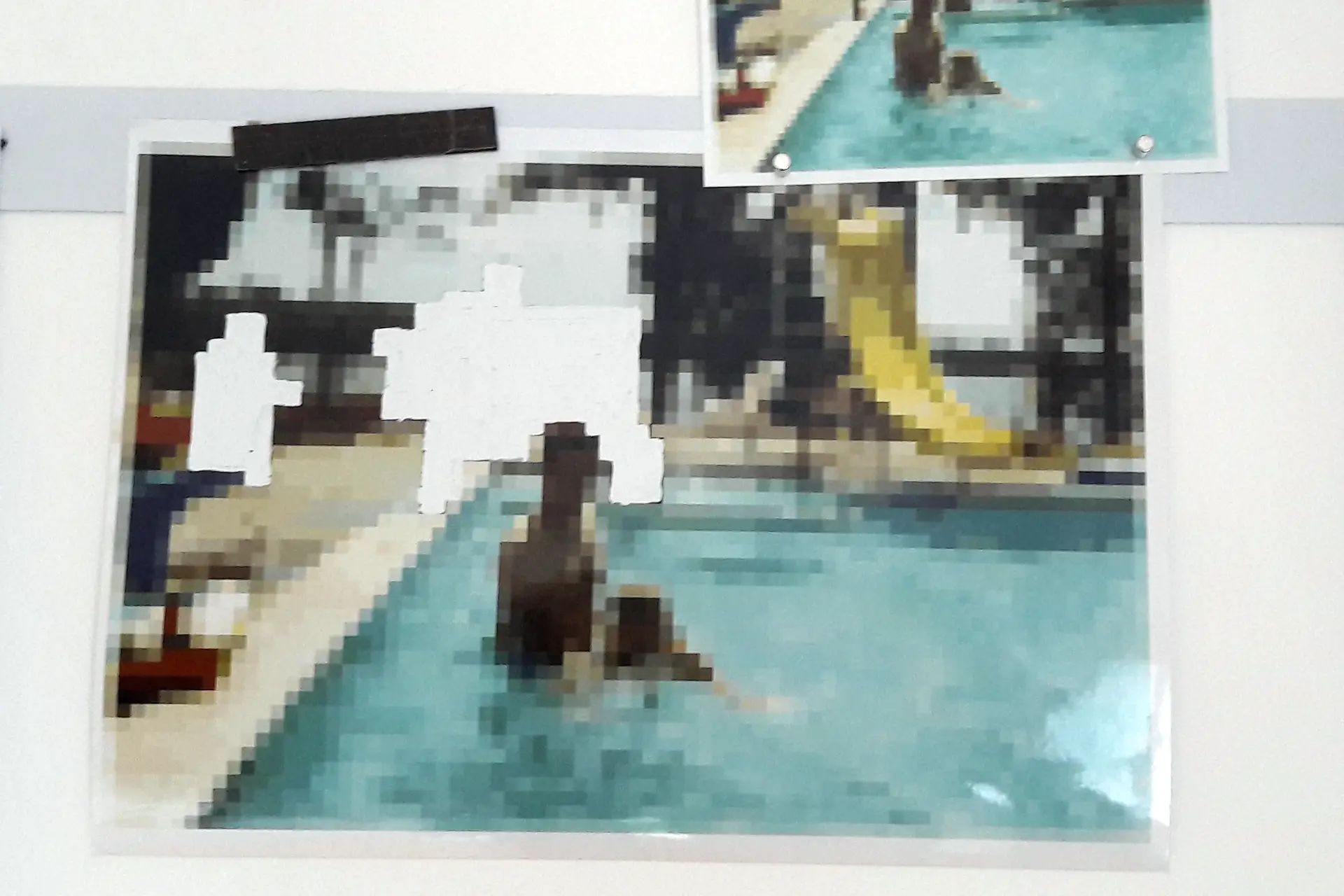
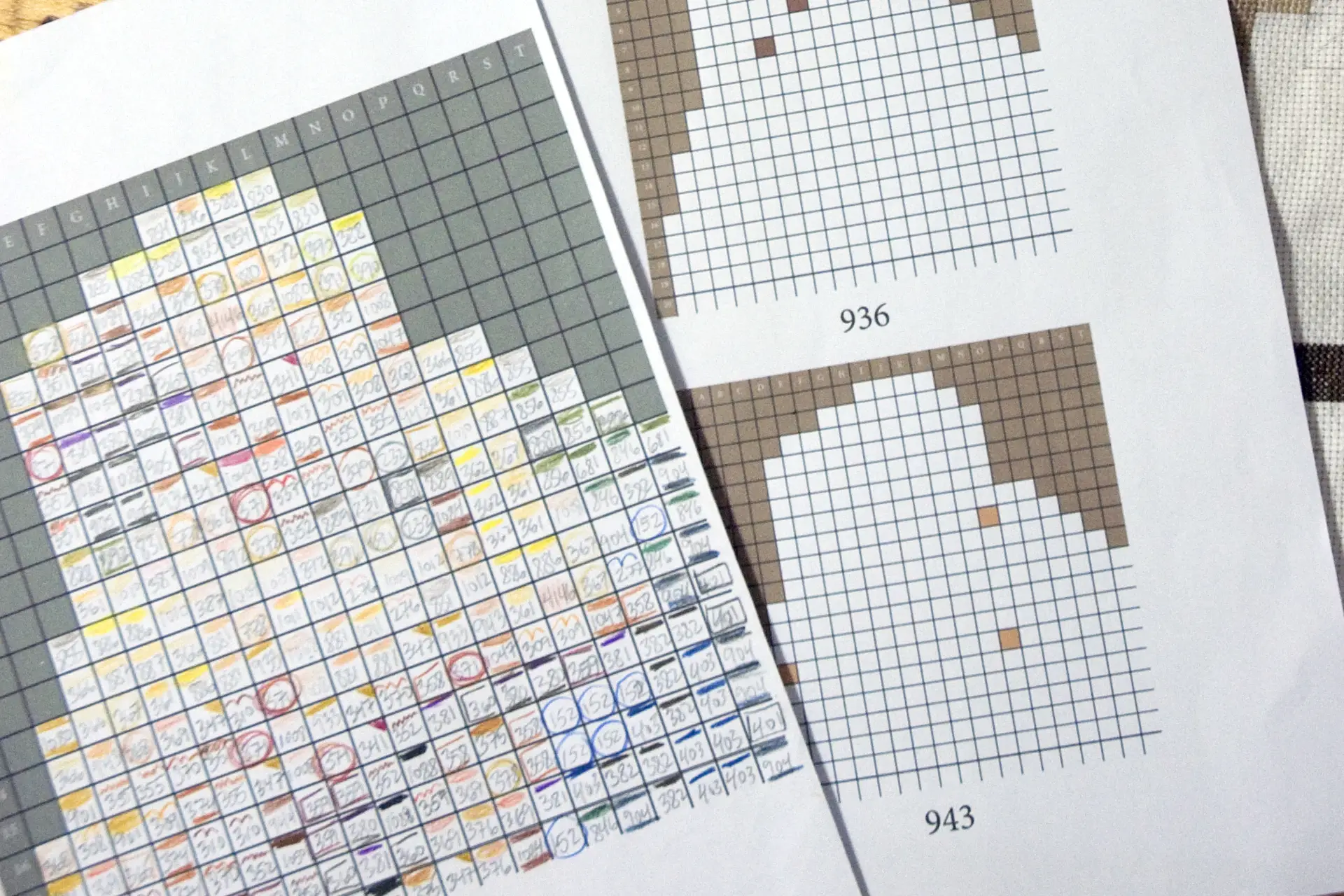
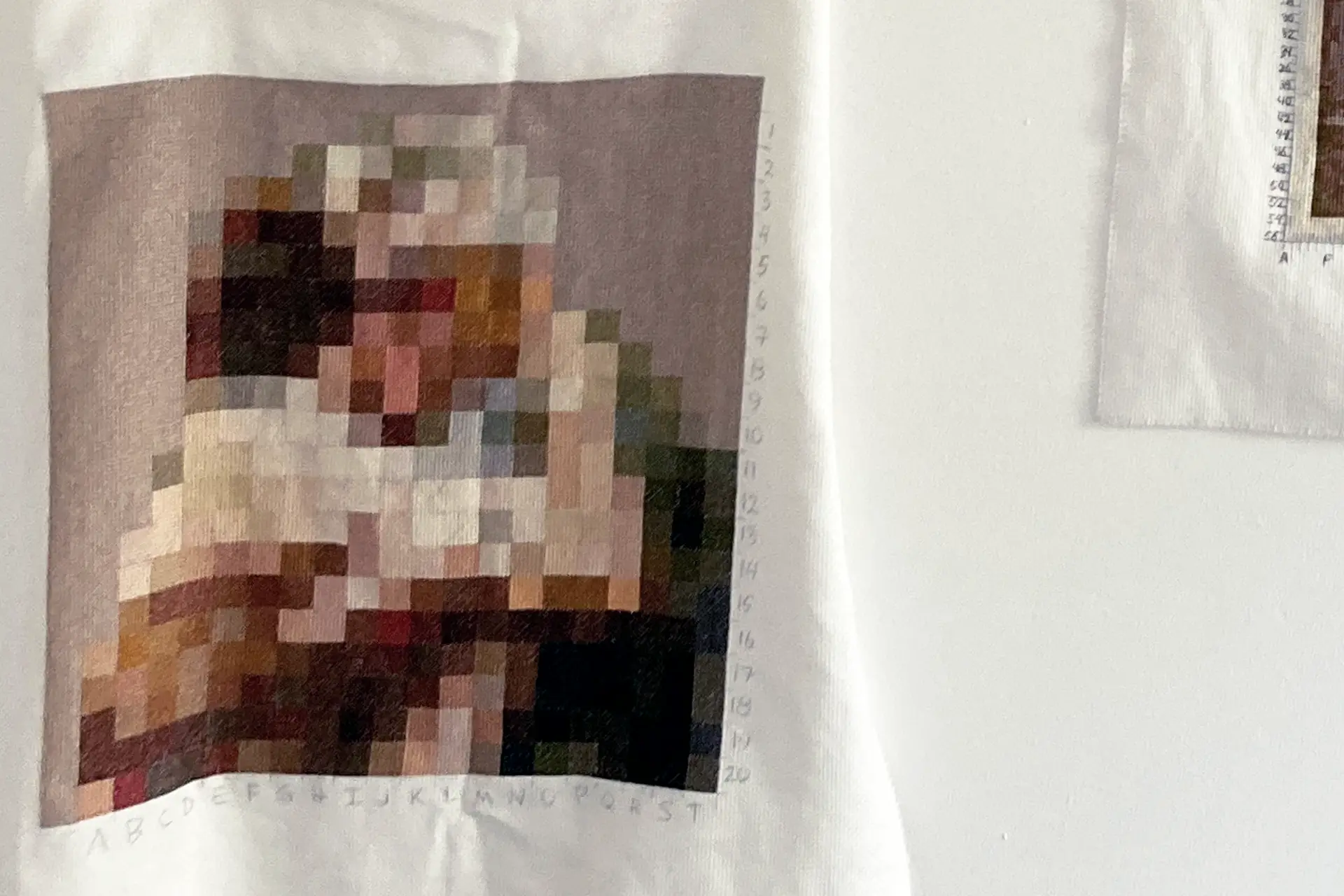
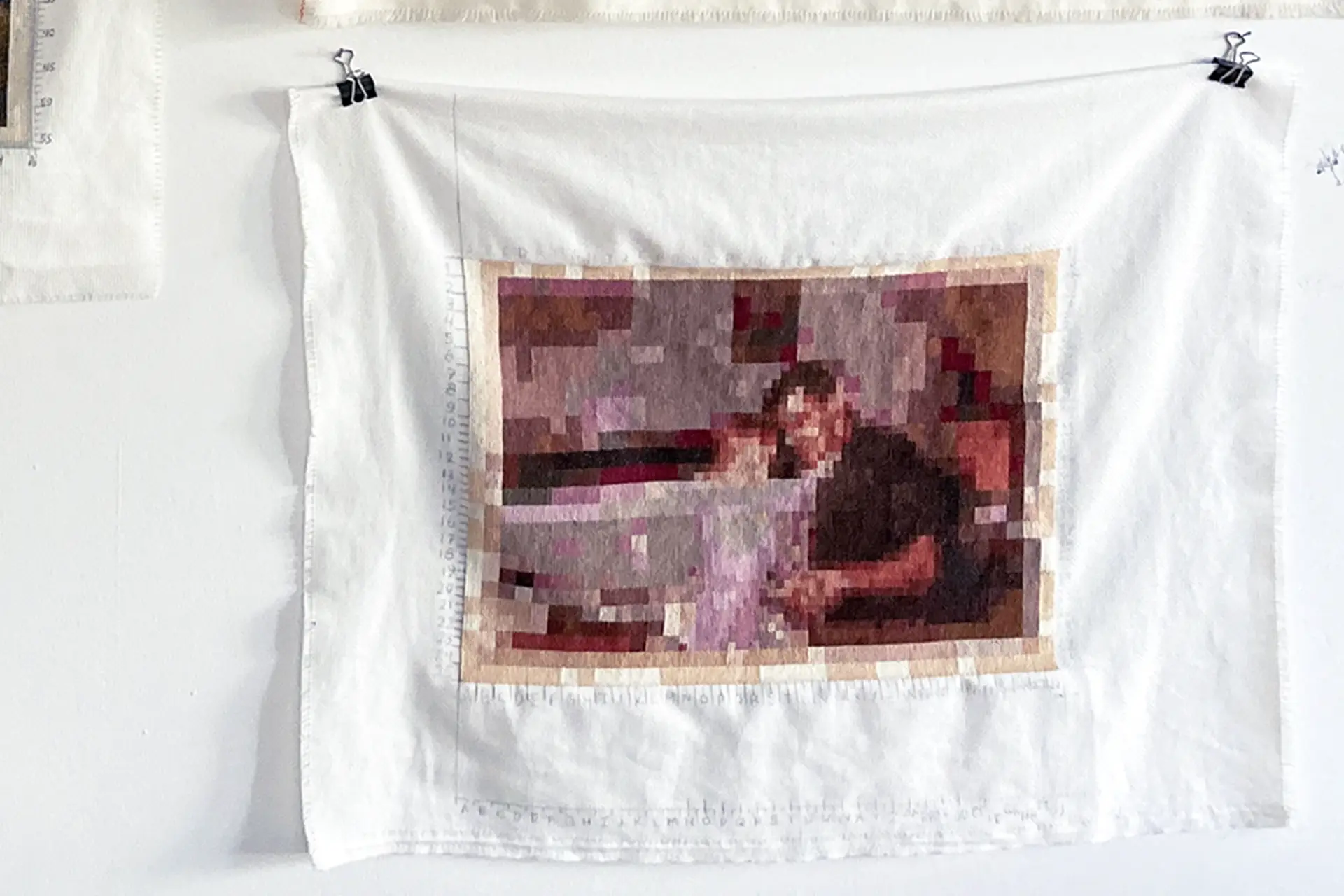
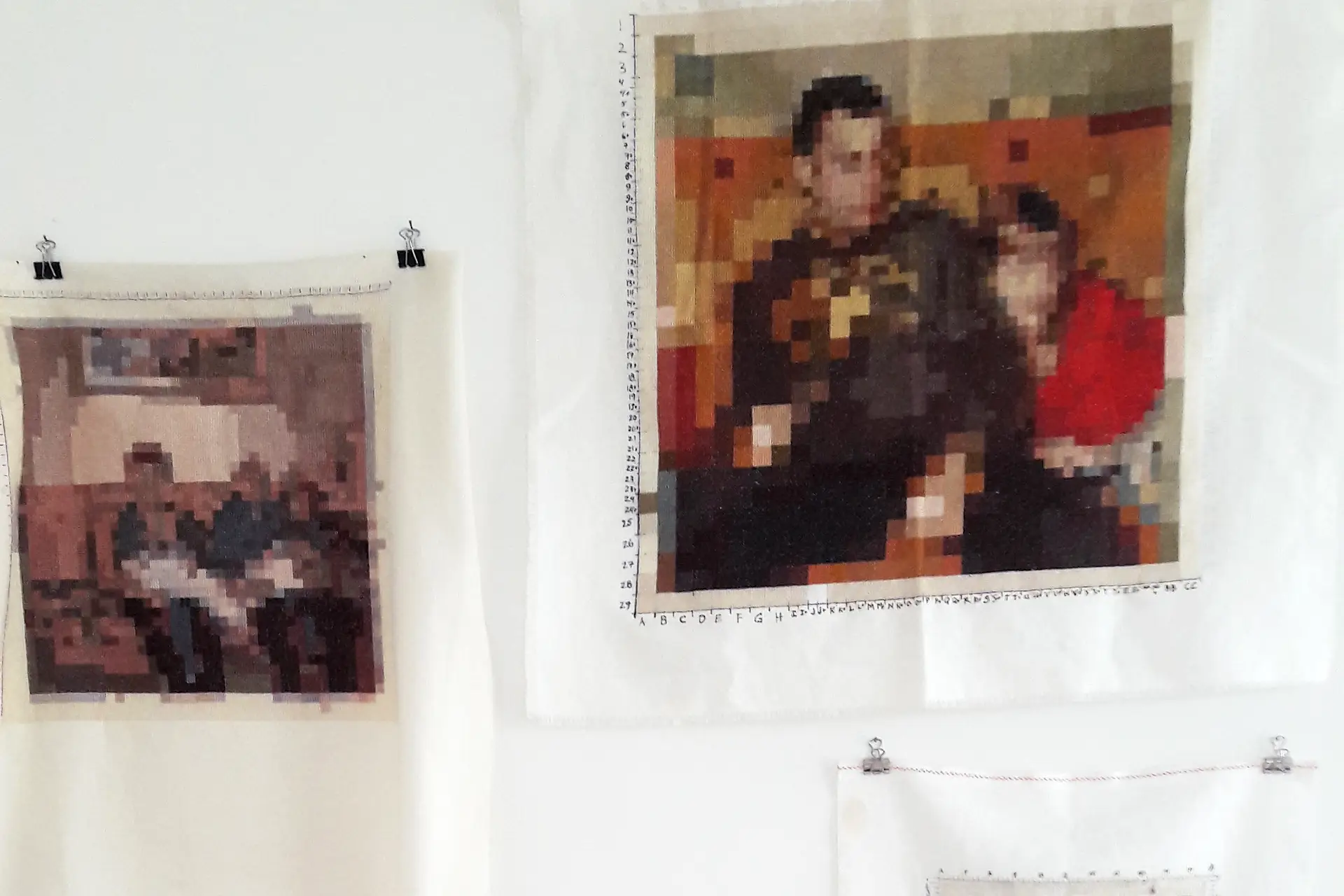
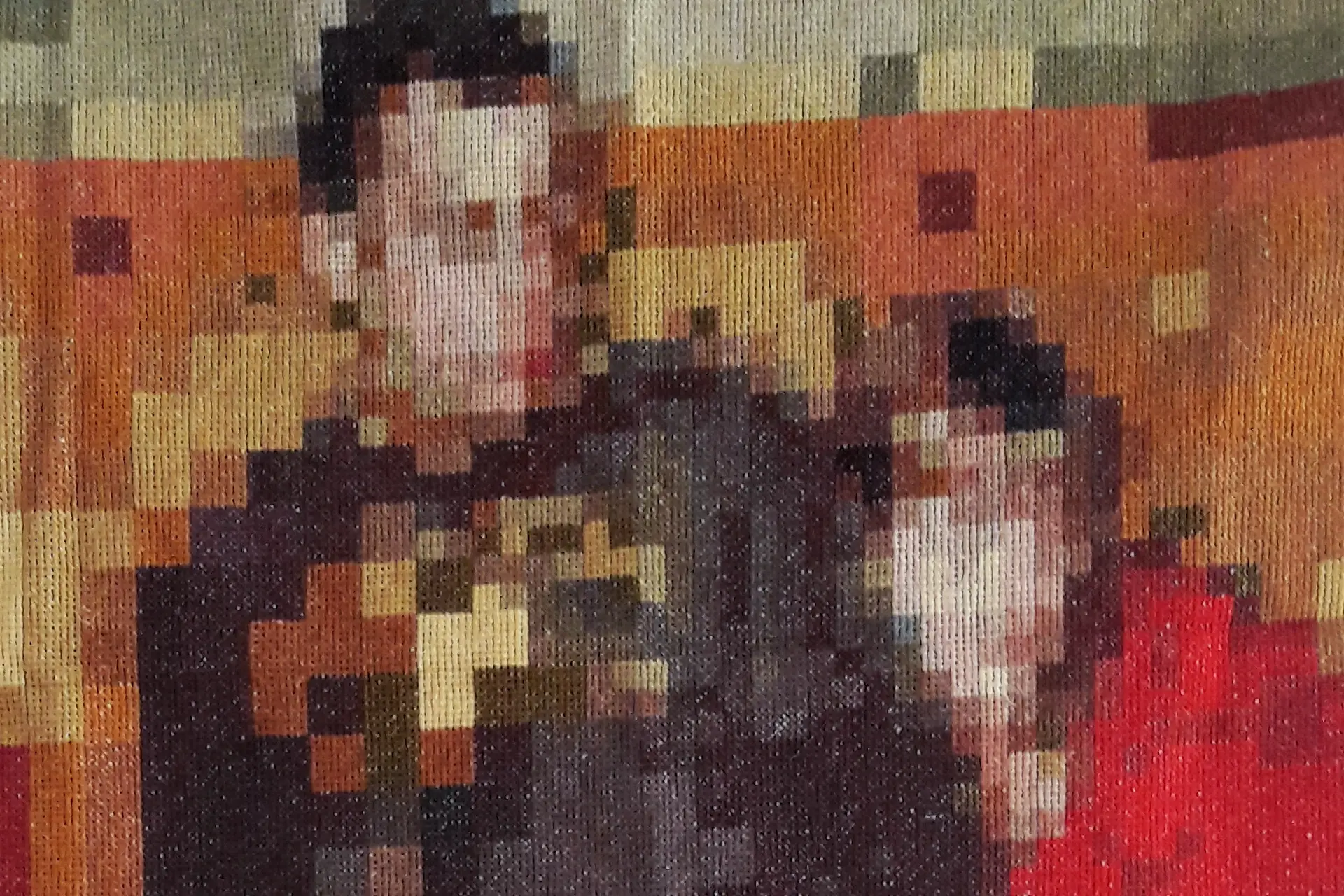
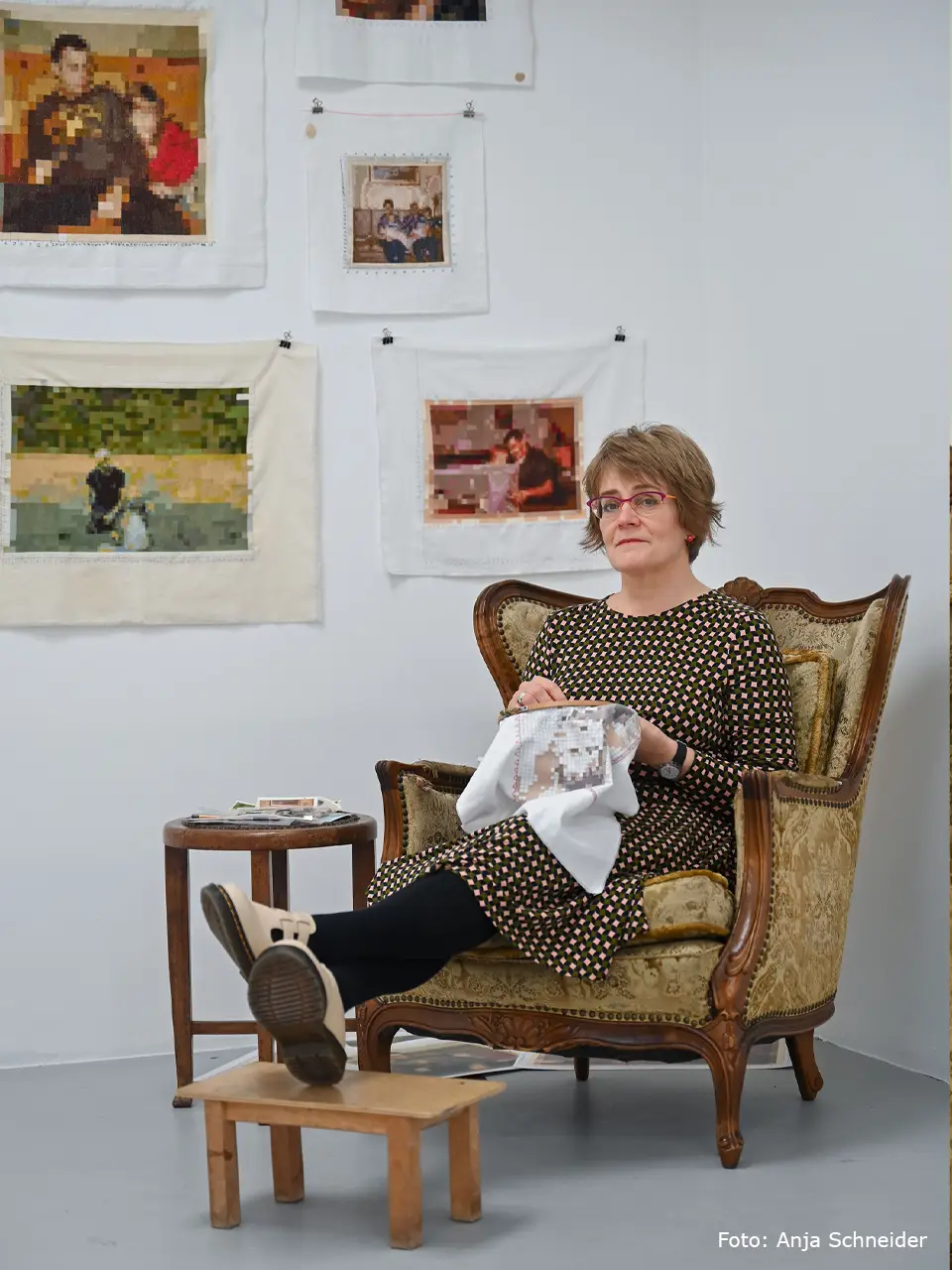
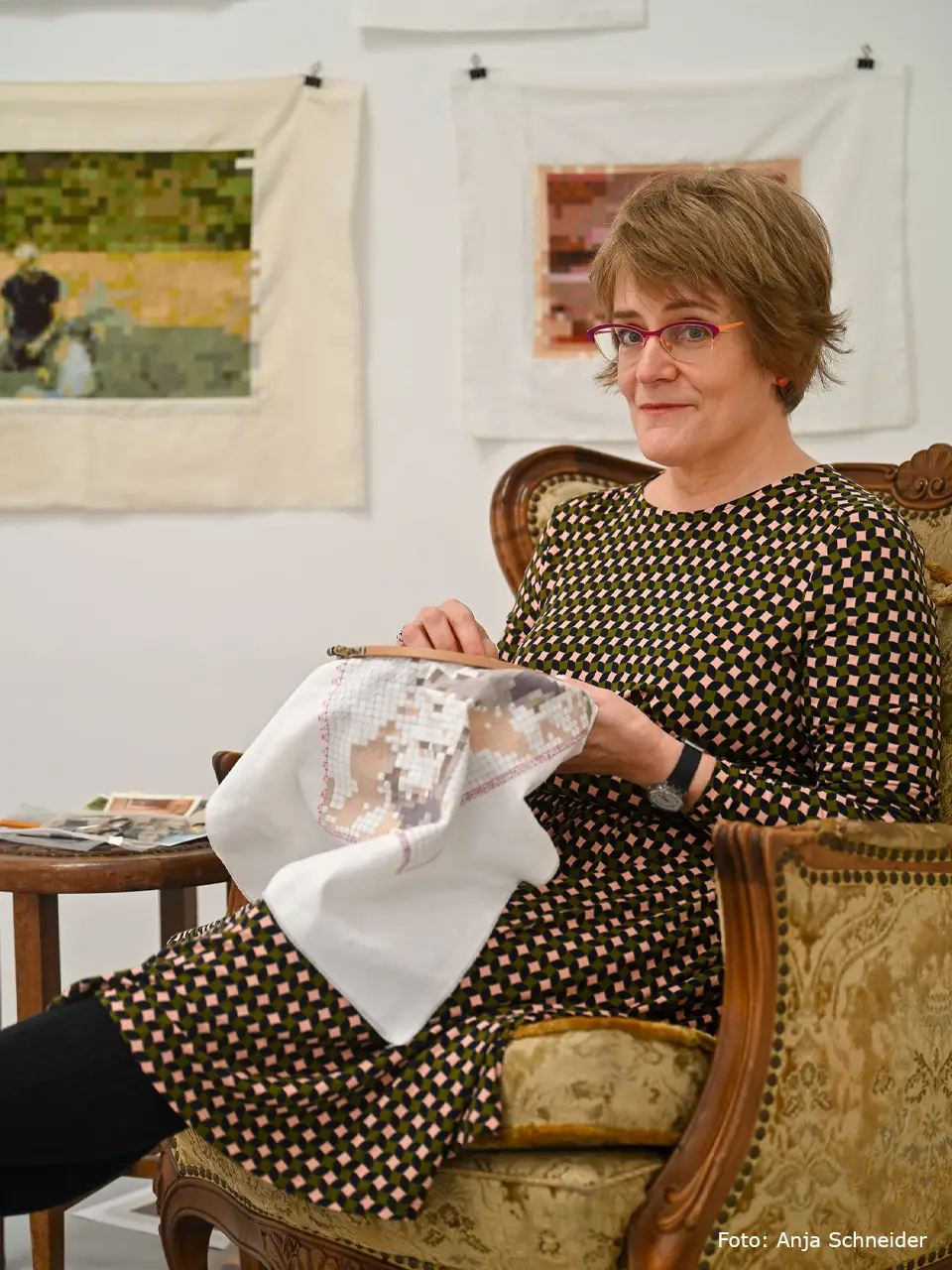
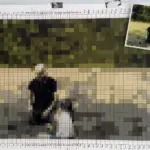
Experimenting with perception, the process varies the level of detail and color accuracy so that someone acquainted with the original photo may instantly recognize the embroidered version, while to others, its reference remains obscure. The transformation involves selecting old family photos, simplifying them into pixel designs, and reducing the millions of photographic colors to just a handful—27, 56, or 84—then matching these as closely as possible to available embroidery floss colors. Inevitably, this produces significant color shifts. The embroidery is meticulously worked following complex patterns, which stand in sharp contrast to the image’s content: a single, fleeting moment.
The resulting embroidered images document this elaborate transformation and serve as meditations on transience—as “memento mori.” This series began after the unexpected death of my father, when confronting photos of us together became emotionally challenging. By processing these images through abstraction and reduction, I found a way to spend time with them and meditate on the impermanence implied in the phrase “I’ll fly away”:
When the shadows of this life are gone, I’ll fly away Like a bird from prison bars has flown, I’ll fly away
(excerpt from the lyrics to the American gospel hymn by Albert E. Brumley, 1929)
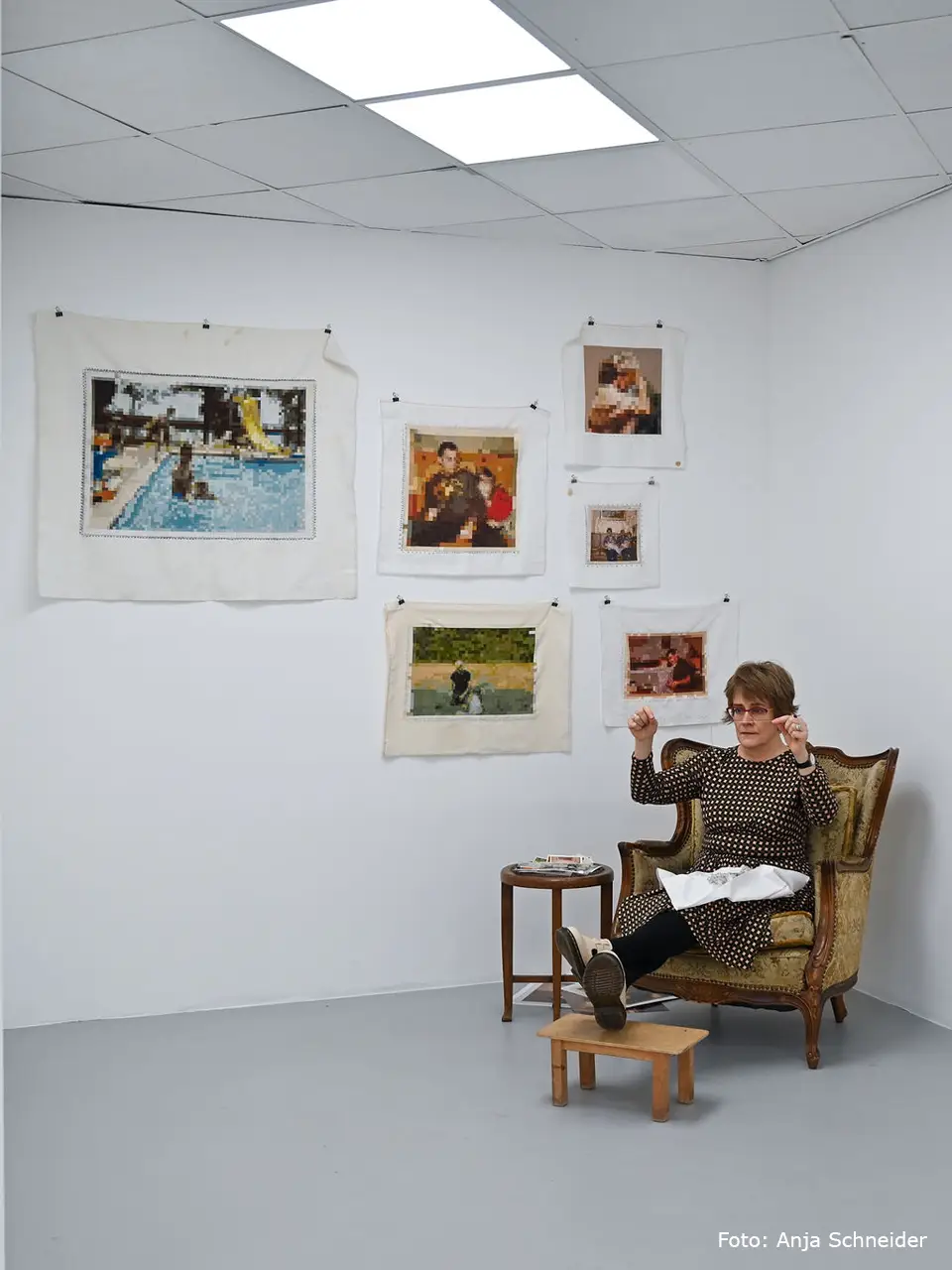
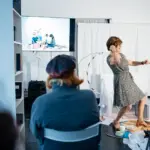
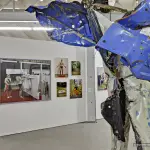
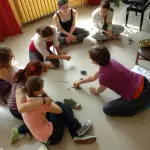
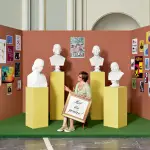
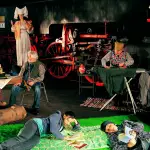
As part of the exhibition entsprechend / Salon 7 at Galerie Ursula Walter in Dresden, I showed the work in progress from February 24 to March 16, 2024. On the opening night I continued to work on the latest piece as a kind of ‘work-in-progress as performance’.











![[privat]](https://janetgrau.de/wp-content/uploads/2024/06/privat-00-150x150.webp)